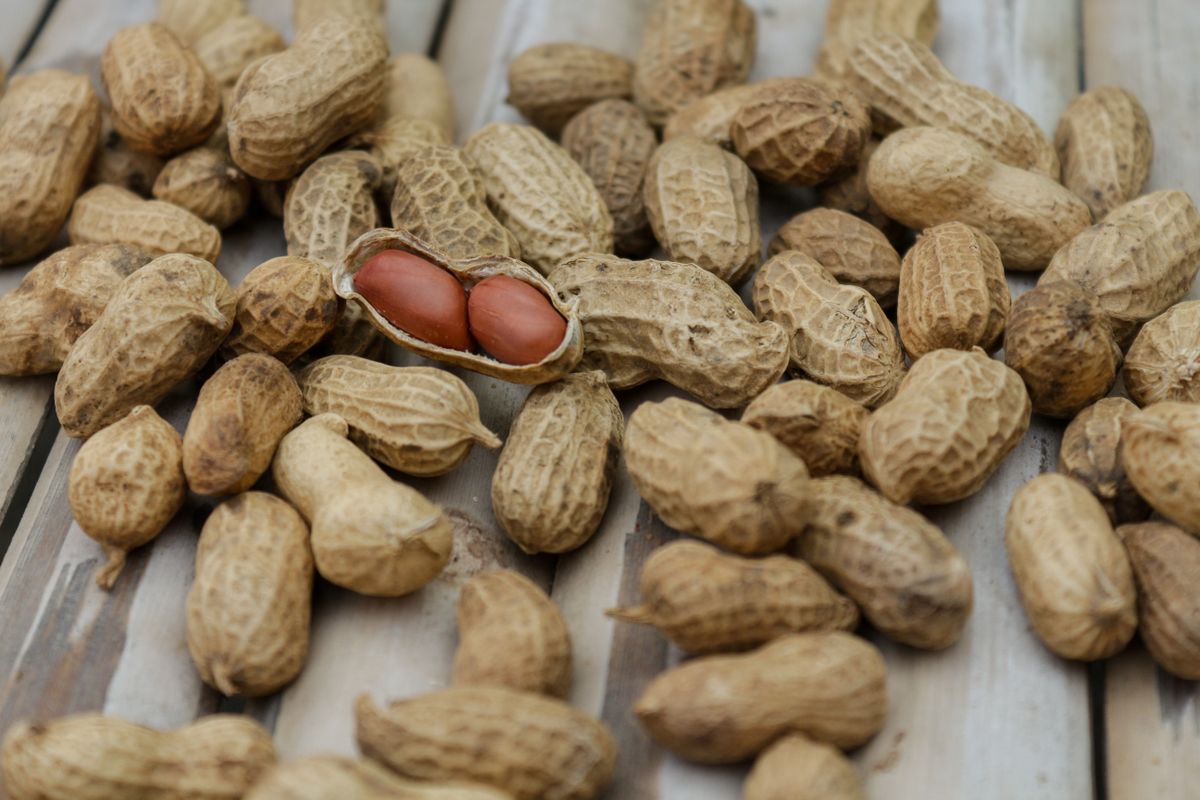
Peanut allergy is one of the most common and potentially life-threatening food allergies in the world, affecting an estimated 4.6 million adults and 1.6 million children in the United States. Unlike many childhood allergies, peanut allergy rarely resolves with age — and it can cause severe reactions from even trace exposures. Whether you’ve just received a diagnosis, shop for someone with a peanut allergy, or simply want a comprehensive reference, this guide covers everything you need to know.
What Is a Peanut Allergy?
Despite the name, peanuts are not tree nuts. They are legumes, in the same botanical family as lentils, chickpeas, and soybeans. Yet in terms of allergy severity and persistence, peanut allergy behaves more like tree nut allergy than a legume allergy.
When someone with a peanut allergy eats — or sometimes just contacts — peanut protein, their immune system misidentifies it as a threat and triggers a defensive response. This can happen in seconds to minutes and can range from mild skin irritation to a life-threatening anaphylactic reaction.
Peanut allergy is one of the top nine allergens regulated by the U.S. Food and Drug Administration under the Food Allergen Labeling and Consumer Protection Act (FALCPA), which requires manufacturers to clearly disclose peanuts on all packaged food labels.
Peanut Allergy Symptoms: From Mild to Severe
Symptoms typically appear within minutes to two hours of exposure. They vary widely between individuals and can change in severity with each reaction — a mild reaction last time offers no guarantee the next one will be mild.
Mild to moderate symptoms include:
- Hives, redness, or swelling of the skin
- Itching or tingling in the mouth or throat
- Nausea, stomach cramps, or vomiting
- Runny nose, sneezing, or nasal congestion
- Watery or red eyes
Severe symptoms (anaphylaxis) include:
- Throat tightening or swelling that impairs swallowing or breathing
- A sudden, significant drop in blood pressure
- Rapid or weak pulse
- Dizziness, fainting, or loss of consciousness
- Pale or bluish skin
Anaphylaxis is a medical emergency. If you or someone nearby develops severe symptoms — especially difficulty breathing — administer epinephrine (EpiPen) immediately and call emergency services. Do not wait to see whether symptoms improve. Antihistamines are not a substitute for epinephrine in a severe reaction.
Hidden Sources of Peanuts You Need to Know
Most people know to avoid peanut butter, mixed nuts, and satay. The real challenge is the dozens of food categories where peanuts appear without being obvious — and the ingredient names that disguise them.
Processed and packaged foods:
- Protein and energy bars commonly use peanut flour or peanut protein for cost-effective protein content
- Granola and trail mixes, even varieties marketed as “nut-free,” may be processed on shared equipment
- Some breakfast cereals contain peanut ingredients or are produced in facilities that handle peanuts
- Vegetarian and vegan meat substitutes sometimes use peanut protein as a base
Sauces, condiments, and cuisines:
- West African peanut stew, Indonesian gado-gado, and Thai satay sauce are peanut-based by design
- Some chili pastes, hot sauces, and Asian stir-fry sauces contain peanut oil or paste
- Egg roll and spring roll wrappers are sometimes sealed with a peanut paste mixture
- Mole sauce in Mexican cuisine traditionally contains peanuts
Baked goods and desserts:
- Bakery cookies, cakes, and pastries made on shared equipment carry significant cross-contamination risk
- Ice cream parlors and frozen yogurt shops using shared scoops present a contact risk
- Some candy coatings and chocolate confections contain trace amounts
Non-food products:
- Arachis oil — the Latin name for peanut oil — appears in some skin moisturizers and cosmetics
- Certain bird seeds and pet foods contain peanuts; residue on hands can transfer to food
Hidden ingredient names for peanut on labels:
- Arachis oil or arachide
- Ground nuts or groundnut oil
- Monkey nuts
- Mixed nuts (may include peanuts)
- Beer nuts
- Mandelonas (peanuts processed to look like other nuts)
- Hydrolyzed plant or vegetable protein (sometimes peanut-derived)
Understanding Cross-Contamination
Cross-contamination happens when peanut proteins transfer to a peanut-free food through shared equipment, surfaces, utensils, or preparation areas. For many people with peanut allergies, even a microscopic transfer is enough to trigger a reaction.
Understanding what label warnings actually mean is essential:
| Label text | What it means |
|---|---|
| Contains: Peanuts | Peanut is an intentional ingredient |
| May contain peanuts | Made in a facility that also uses peanuts |
| Made on shared equipment with peanuts | Same production line as peanut products — higher risk |
| (no advisory statement) | Absence of a warning is not a safety guarantee |
The “may contain” advisory is voluntary and not regulated by the FDA. Manufacturers add it to reduce liability. Its absence does not mean a product is peanut-free — it may simply mean the manufacturer chose not to add the disclaimer. This is why systematic label checking, or using a scanner that surfaces cross-contamination warnings automatically, matters so much.
Reading Peanut Allergy Labels Correctly
Under FALCPA, manufacturers must declare peanuts either in bold within the ingredients list or in a “Contains:” statement after the list. However, this regulation covers intentional ingredients only — not cross-contamination.
Beyond the “Contains:” statement, look for peanut-derived ingredients within the full list:
- Peanut flour, peanut butter, peanut oil
- Peanut protein or hydrolyzed peanut protein
- Peanut extract or peanut paste
- Arachis oil (especially in cosmetics and topical products)
Note on peanut oil: Highly refined peanut oil removes most protein during processing and is generally considered safe for peanut-allergic individuals. Cold-pressed, expeller-pressed, or gourmet peanut oil retains protein and is not safe. The label will often specify the processing method — when in doubt, avoid it and confirm with your allergist.
For a full breakdown of how to decode labels for all major allergens, including the 20+ hidden names for milk and wheat, see our guide on how to read food labels for hidden allergens.
Dining Out With a Peanut Allergy
Restaurants are the highest-risk environment for peanut allergy because cross-contamination is difficult to control and staff training varies significantly.
Before you go:
- Call during off-peak hours and explain the severity of your allergy — not just a preference
- Review the menu online and identify safe-looking dishes before arriving so you can ask targeted questions
- Exercise extra caution with Thai, Indonesian, West African, Chinese, and Vietnamese cuisines, which use peanuts extensively as a cooking ingredient
At the restaurant:
- Alert your server and explicitly ask them to notify the kitchen
- Ask specific preparation questions: “Is this cooked in the same pan as peanut dishes?” “Does the fryer also fry anything with peanuts?”
- Avoid buffets and shared serving utensils where cross-contact is likely
- Carry a written allergy card — especially useful when traveling internationally — that explains your allergy in the local language
Do not assume a “peanut-free menu” covers cross-contamination risks. Many restaurants correctly list ingredients but cannot guarantee separation in a busy kitchen. Verify preparation methods, not just the listed ingredients.
Managing Peanut Allergy at the Grocery Store
The grocery store is more manageable than a restaurant because you control every product that goes into your cart. The challenge is staying current with formula changes, seasonal products, and new manufacturers.
Key habits for peanut-safe shopping:
Scan every product, every time. A manufacturer can change their production facility or supplier without a prominent notice on the label. A product you bought safely last month may now carry cross-contamination risk. Never assume a product’s safety status is permanent.
Be especially cautious with store brands. A supermarket’s own-label products are often made by third-party manufacturers, and those facilities may differ from the equivalent name-brand product. Treat every store brand as a new product requiring independent verification.
Re-scan seasonal and limited-edition items. A holiday edition of your regular snack may have a different recipe or be produced in a different facility. The packaging may look nearly identical to the safe version you know.
Use a scanner that goes deeper than your eyes can. Reading every label in a grocery run by hand is exhausting and error-prone — especially with ingredient lists that span three columns in size-6 font. For a broader set of practical strategies, see our 10 grocery shopping tips for food allergies.
How Verdict Helps People With Peanut Allergy
Managing a peanut allergy means permanent vigilance, and Verdict is built to take most of that cognitive load off your hands.
When you scan a product barcode, Verdict:
- Checks the full ingredient list against peanut and all its alternative ingredient names
- Surfaces “may contain” and “manufactured in the same facility” advisories explicitly
- Flags both intentional peanut ingredients and cross-contamination warnings in the same view
- Suggests safer alternatives in the same product category when a scan fails your profile
- Saves verified-safe products so your regular weekly shop takes seconds, not minutes
Set peanut as your primary allergen and configure your sensitivity level — whether you react to traces or only direct contact — so that alerts are calibrated to your actual risk level, not a generic worst-case.